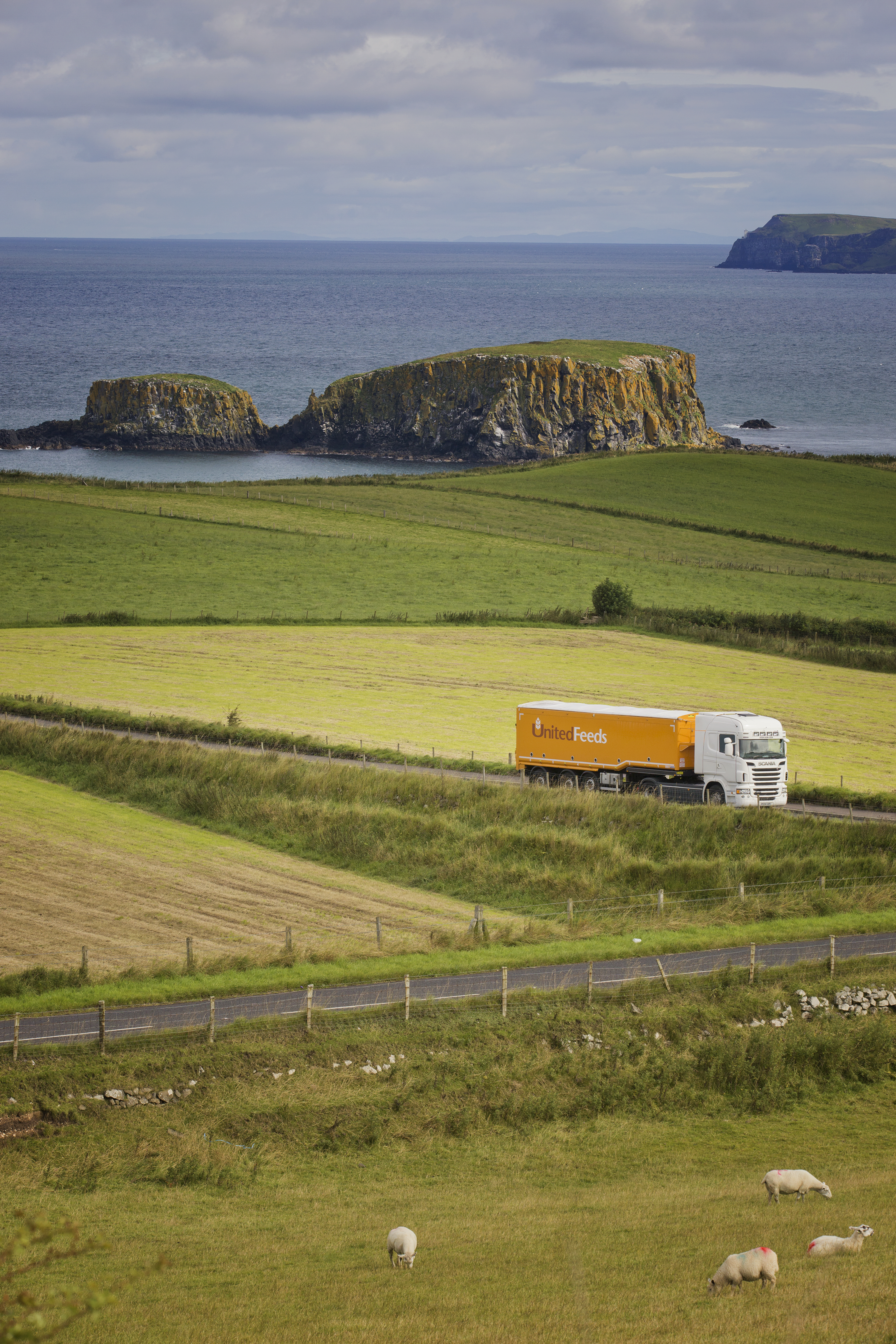
The unfavourable weather over the past couple of weeks has saw grass quality decline and if rainfall persists, could cause ground conditions to deteriorate seeing many beef cattle housed. For cattle still out, decisions need to be made soon, depending on several factors. So, when deciding if finishing cattle off grass will provide the best return, what should you consider?
Feed value
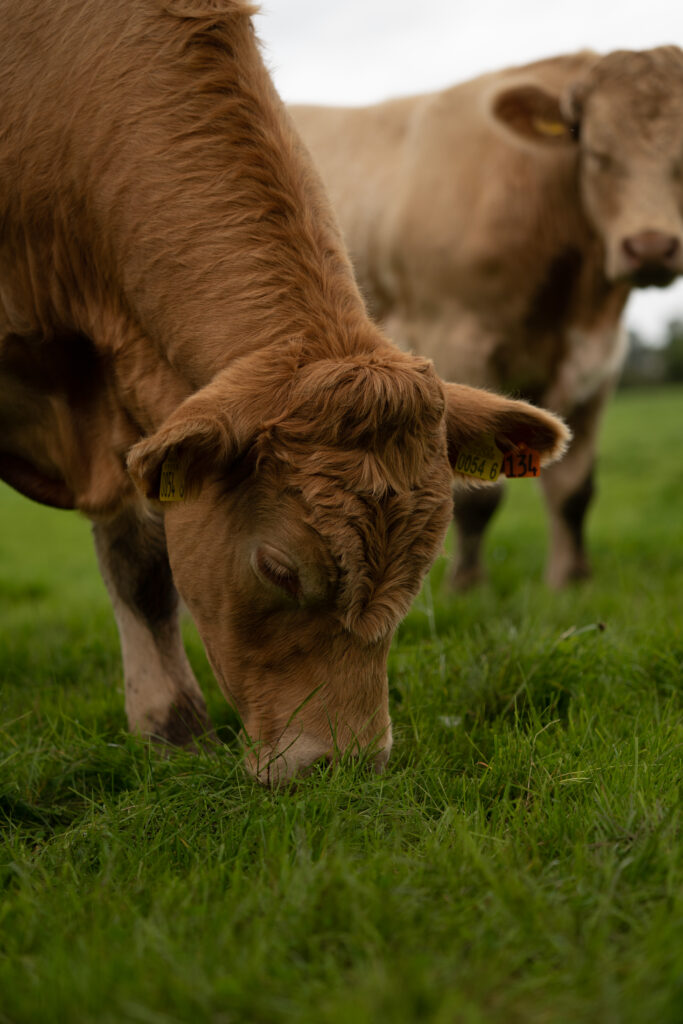
Assess grass availability and quality. If grass supply is tight or quality is poor, housing larger cattle would enable you to extend the grazing season for younger cattle. GrassCheckNI results for beef and sheep farms week commencing 16th August were 14.3% Dry Matter (DM), 11.3 ME and 23% crude protein. This equates to 1kg/head/day DLWG – assuming a 300kg steer, Maintenance = 35 MJ/day, 40 MJ/kg gain and 6.6kg DMI (46kg fresh weight grass/head/day).
Age vs Weight target
Are cattle far off their targeted kill weight? If cattle are up against age limits and time is scarce, accelerate both weight gain and fat cover with the introduction of concentrates.
Target kill date
When are stock due for killing? If not until Christmas time, keep grazing until mid-late September and begin feeding once housed. Aim for a 100-day finish. If sooner, introduce 2-3kg concentrates at grass with view of housing shortly.
Weather
With steady rainfall grass DMs will be <15% and intakes of energy will therefore be poor. Cattle will thrive better on a higher DM silage and concentrate diet. If ground conditions are deteriorating, house heavy cattle and keep lighter cattle out who will contribute less to poaching.
Breed
Native breeds, particularly heifers generally finish well off grass with a low rate of concentrates, however continental cattle rarely achieve targets and native bullocks can struggle. Both kill out percentage and fat class will improve with even a short, housed finishing period.
Feeding at grass

Heavy feed rates of starchy rations on lush wet grass can led to acidosis and scour, limiting the feed rate required to finish cattle properly. Maintaining rumen function through a balanced diet and use of Equaliser rumen buffer and/or Yea-Sacc yeast will maintain rumen pH and reduce the acidosis risk from fast fermenting grass. A healthy efficient rumen improves feed conversion – the animals’ ability to convert feed into weight gain and fat cover, i.e., efficiency is improved, more is achieved from the diet.
Cost
Is it cheaper to finish at grass? If it takes more days feeding overall, costs will in fact be higher. House cattle closer to finishing, so to achieve targets on time and keep growing stock out at grass.
Health
Ensure parasites are kept under control. Pay attention to potential lung worm issues after the warm dry spell we experienced, ideally treat for lung worm before housing. Following this wet period, rumen fluke problems are likely this autumn.
Housing
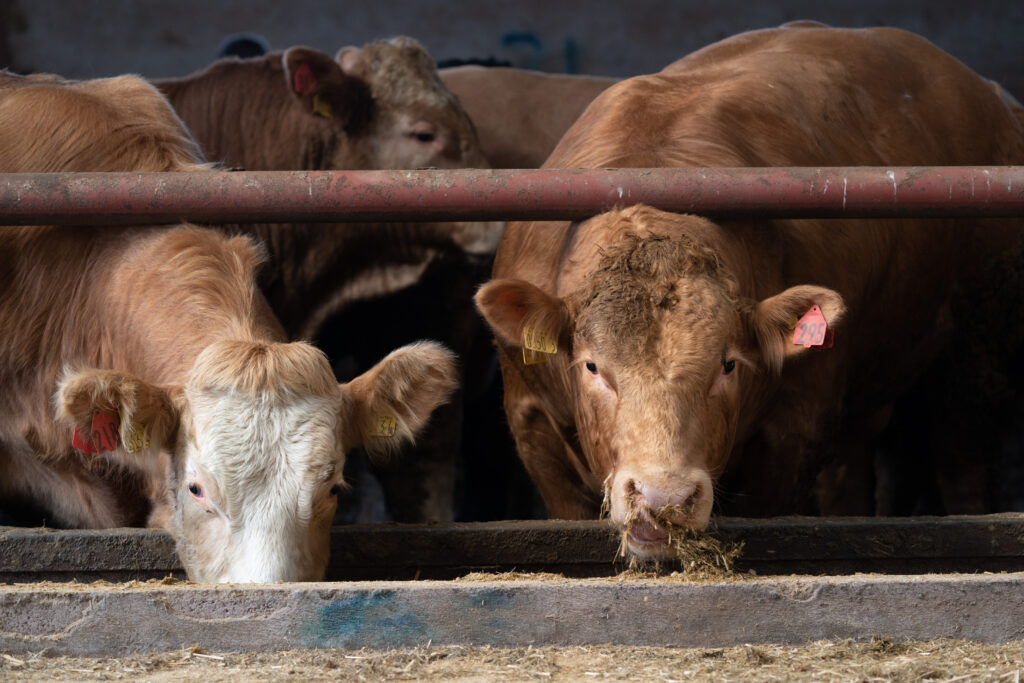
Transition cattle slowly onto a high concentrate diet – build up over 3 weeks. This allows rumen bugs to adjust from digesting fibre from forage, to starch from concentrates.
Heavier, framey cattle have the ability to gain weight and flesh up quickly coming off grass – so aim for a fast finish. If being fed 3-4kgs at grass they could transition over 2 weeks. Ensure adequate levels of fibre in the diet to balance starch, and plenty of clean, fresh water.
Finishing rations
United Feeds have a range of nuts and blends available to complement finishing at grass or in house. Blends can be formulated to suit your exact requirements. Contact your local nutritional adviser or call 028 9075 9000.